Japanese Symbol for
絶望zetsubō
despair · hopelessness · giving up
Despair, hopelessness, complete loss of hope. 絶望 literally means "cut off from hope" — 絶 (to sever, to end absolutely) + 望 (hope). The antonym of 希望 (kibō — hope).
絶望的
zetsubō-teki
desperate, hopeless
希望と絶望
kibō to zetsubō
hope and despair
失望
shitsubō
disappointment, disillusionment
諦める
akirameru
to give up, to abandon hope
虚無感
kyomukan
sense of emptiness, nihilism
どん底
donzoko
rock bottom, the very depths
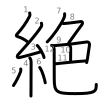
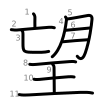
絶望 features prominently in Japanese literature and media — the contrast between 希望 (hope) and 絶望 (despair) is a central tension in countless stories. 諦め (akirame — giving up/acceptance) is philosophically complex in Japanese: it can mean unhealthy resignation, but also the Buddhist acceptance of impermanence. The word comes from 明らめ (clarifying, seeing clearly) — accepting reality as it is.
Hiragana and katakana are the keys to reading Japanese. Our free trainers get them locked in fast.